Shisha Briquette Manufacturer in Indonesia
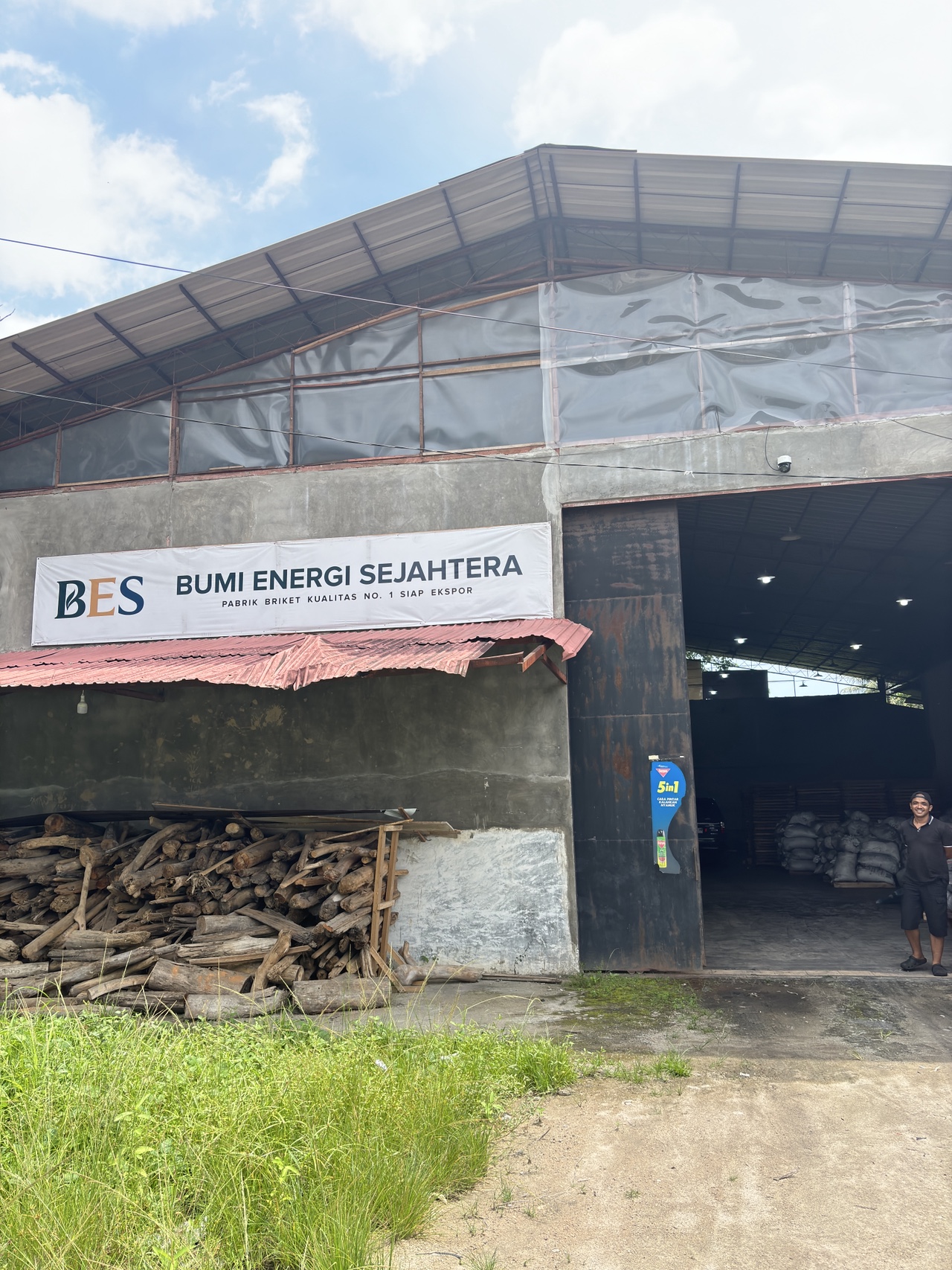
Choose the Leading Shisha Briquette Manufacturer in Indonesia
What matters most when you need consistent hookah coals at container scale for the Australian market?
We are Oxicarbon (PT Bumi Energi Sejahtera). If you prefer an alternate supplier name for listing or rebranding, confirm whether PT Bumi Energi Sejahtera or Oxicarbon should be used — we will update all references after legal verification.
Our core product line is 100% coconut shell charcoal for shisha and hookah use. We deliver consistent, low-ash coconut charcoal briquettes with no chemical accelerants and procurement-ready documentation — trusted by 80+ private-label brands for repeat container orders.
Quick summary: export-ready coconut charcoal, strict QC, container-scale reliability, OEM/private-label support, and fast pricing for procurement teams.
On this page you will find clear grades, specs, shapes, OEM/private label options, packaging, MOQ, lead times, shipping, and required documents. We design our service for procurement teams who compare options and need fast pricing and reliable samples. For direct, high-intent contact reach out to us on WhatsApp at +6281220806059 or email contact@oxicarbon.com to request a free sample and a fast quote.
Key Takeaways
- We supply export-ready coconut charcoal with food‑grade inputs and low ash for cleaner sessions.
- Factory capacity, QC, and documentation support container-scale orders and predictable export timelines to Australia.
- This page covers specs, packaging, MOQ, lead times, shipping, and export documents you need to approve a supplier.
- Contact us via WhatsApp (+6281220806059) or email (contact@oxicarbon.com) to request a free sample and receive pricing details.
Shisha Charcoal for Australia: What Importers and Brands Need Right Now
Australian buyers prioritize consistent performance and a clean smoking experience. Procurement teams look for steady heat delivery, low ash residue, and a neutral coconut charcoal profile that preserves flavor — these attributes drive repeat sales in lounges and retail channels.
Consistent heat and a cleaner smoking experience
Even, predictable burns matter for extended sessions. When heat is stable, customers stay longer and repurchase more often. We run batch-level thermal testing on our coconut charcoal products to monitor output and reduce variability.
Reliability at container scale for wholesale supply
Wholesale importers need predictable lead times and uniform lots. Typical sea transit to Sydney or Melbourne runs about 25–35 days, so inventory planning is essential. Our production scheduling and export coordination aim to minimize delays and maintain shipment-level consistency.
Support for private label growth in the Australian market
Brands differentiate by grade, cube size, and packaging. We offer OEM/private-label services so your shisha briquette product matches market positioning without performance drift from the pilot order to repeat container runs.

- Priority features: steady heat, low ash, neutral taste from 100% coconut shell charcoal.
- Inventory planning: include the 25–35 day sea transit plus production lead time when calculating reorder points.
- Risk checks: request lab certificates (ROA, SHT), MSDS, and pre-load test reports to verify lot performance.
| PriorityWhy it mattersHow we support it | ||
| Steady heat | Better sessions, higher repeat purchase | Batch thermal testing and fixed-carbon targets |
| Low ash | Easier cleanup, better lounge experience | QC ash benchmarks and lab verification |
| Container reliability | Predictable supply for wholesalers | Production planning, consolidated packing, and export booking |
| Private label support | Brand differentiation without quality drift | OEM runs, proofed dielines, and controlled workflows |
Why Our Coconut Shell Charcoal Briquettes Stand Out
Our coconut shell charcoal produces a clean, stable burn you can rely on for long shisha sessions. Made from 100% natural coconut shell, our coconut charcoal briquettes deliver steady heat with minimal ash and a neutral profile that preserves tobacco flavor.

Pure raw material for consistent performance
100% coconut shell outperforms mixed inputs because it consistently yields higher fixed carbon and predictable thermal output. Using only shell charcoal reduces batch variability and helps keep ash low — see our ROA/SHT reports for lot-level figures.
No chemical accelerants — what that means
We do not add chemical accelerants. Where a binder is required for pressing, we use a food‑grade tapioca binder only; this maintains neutral odor and minimizes smoke. In procurement terms, that means fewer sensory complaints and cleaner hookah bowls in lounges and retail settings.
Durability and handling benefits
High-density coconut charcoal briquettes resist cracking during packing and last‑mile transit. Better durability lowers breakage rates and produces more consistent piece counts per kilogram — an important factor for retail and private‑label packaging.
- Odorless, low smoke, spark‑free — supports a cleaner, safer smoking experience.
- Low ash, high heat — superior value per session and less bowl cleanup.
shisha briquette manufacturer indonesia: Our Factory-Grade Quality Standards
Every shipment leaves our facility only after independent testing confirms container-level consistency. We build controls into production to prevent variability rather than relying solely on after-the-fact inspection.
Independent laboratory testing during production and pre-loading
We engage third-party labs at key stages: during production runs and again before container loading. This two-point verification confirms that the loaded containers match the target specs Australian importers require.
In-production testing detects process drift early; pre-load sampling verifies the final container contents against the approved lot standard.
Target performance benchmarks for ash, heat, and burn time
Procurement teams expect numeric limits. We set clear targets and test each lot against them.
- Ash content: maintained to the advertised grade range to ensure low cleanup and consistent bowl performance.
- Burn time: measured in hours under controlled conditions to guarantee session length for lounges and retail customers.
- Temperature: peak burning temperature checks ensure steady heat and flavor neutrality.
| MetricTypical TargetHow we verify | ||
| Ash content | 1.6%–2.8% | Lab ash tests during run and pre-load sampling (COA provided) |
| Burn time | 2+ hours | Controlled burn trials, averaged by lot |
| Burning temperature | 600°C–680°C | Thermal profiling with calibrated sensors |
| Documentation | ROA, SHT, MSDS, factory audit | Included with shipment; available on request before loading |
These quality steps reduce claims and returns and keep batch-to-batch performance stable so Australian brands receive consistent, high-quality charcoal briquettes every container.
How to request verification: ask for the lot COA, pre-load test report, and an electronic copy of ROA/SHT when requesting a sample. For audit support or a sample report, contact our export team at sales@glowingcharcoal.id or WhatsApp +6281220806059.
Raw Materials We Use: Premium Coconut Shells and Controlled Inputs
Premium coconut shell selection is the foundation of every reliable charcoal product we make. We source mature, dense coconut shells to ensure a cleaner burn profile, efficient heating, and lower ash output for our coconut charcoal briquettes.
Why coconut shell charcoal is preferred for hookah use
The natural structure of coconut shells yields higher fixed carbon and steady thermal output compared with mixed feedstocks. That translates into longer sessions, more consistent heat, and less ash per session — key attributes for shisha and hookah customers.
Food-grade binders and clean water for stable integrity
We do not use chemical accelerants. When a binder is required to press briquettes, we use a food‑grade tapioca binder and spring‑quality water. These controlled inputs produce crack‑resistant pieces with uniform density while maintaining a neutral odor profile.
How controlled sourcing protects consistency batch to batch
Consistent raw materials reduce variation during pressing and firing. We enforce procurement specs for shell size, moisture, and kiln profiles so each lot aligns with the approved reference sample.
"We believe quality starts upstream — before specs are measured, before packages leave the factory."
- Key inputs: 100% premium coconut shells, food‑grade tapioca binder (where required), clean spring water.
- Benefits: stable pressing, fewer cracks, consistent piece weight, predictable thermal behavior.
- Ask suppliers for: origin of shells, recent COA (moisture % and ash), binder specification, and sample performance data.
| InputSpecificationWhy it matters | ||
| Coconut shells | 100% premium, matured, low moisture (specify % on COA) | Higher fixed carbon, lower ash, consistent heat |
| Binder | Food‑grade tapioca (if used) | Neutral odor, safe handling, stable pressing |
| Water | Clean / spring quality | Prevents contamination and density variation |
Procurement checklist: request shell origin, COA (moisture, ash, fixed carbon), sample photos, and recent lab test results before approving a first run. For a quality raw materials list and sample COA, contact sales@glowingcharcoal.id or WhatsApp +6281220806059.
Product Specifications That Matter for Hookah Coals
When Australian buyers evaluate charcoal briquettes, clear, testable limits matter most. Below are the specification ranges we publish so procurement teams can compare lots quickly and set acceptance criteria.
Key performance ranges
Ash content by grade: Standard 2.5%–2.8%, Super Premium 2.0%–2.5%, Diamond 1.6%–2.0%.
Burning time: typical sessions run 2+ hours; Diamond averages ~2.5 hours under controlled test conditions.
Temperature & heat: target bands are 600°C (Standard), 650°C (Super Premium), and 680°C (Diamond) for steady, controllable heat.
Moisture, fixed carbon and usage notes
We maintain moisture below 6% for reliable lighting and stable storage. Fixed carbon targets are approximately ±75% (Standard), ±80% (Super Premium), and ±82% (Diamond) to avoid spikes or drops in thermal output.
No odor, no sparks, minimal smoke — easier lighting, cleaner bowls, and a safer lounge environment. Ask us for ROA/SHT documentation with each shipment to verify these specs.
| SpecificationStandardSuper PremiumDiamond | |||
| Ash content | 2.5%–2.8% | 2.0%–2.5% | 1.6%–2.0% |
| Burn time (hours) | 2.0+ | 2.2+ | ~2.5 |
| Temperature (°C) | 600 | 650 | 680 |
| Moisture (max) | 6% | 6% | 6% |
| Fixed carbon | ±75% | ±80% | ±82% |
Test methods and acceptance criteria
We measure burn time and temperature under controlled test setups (standard sample mass, ambient conditions, and heat-management device). Lab ash is measured per lot and reported on the COA. For incoming inspections we recommend accepting a lot if measured ash stays within the published grade range ±0.2% and fixed carbon within the specified tolerance.
If ash on arrival exceeds the agreed acceptance limit (for example, >2.8% on a declared Standard lot), contact our quality team immediately with photos and the arrival test result. We will provide the lot COA, pre-load test report, and a remedial plan — options include credit, replacement, or rework per the agreed commercial terms.
For procurement details (sample test protocol or an example COA), email sales@glowingcharcoal.id or WhatsApp +6281220806059.
Grades Available for Different Price Points and Brand Positioning
We offer three clear product tiers so Australian brands can match price, performance, and shelf positioning while maintaining predictable quality for each SKU.
Standard — dependable everyday performance. This value-focused product is designed for high-turn retail and casual lounge use. Expect ash near the higher end of the published range and target peak heat around 600°C.
Super Premium for mainstream brands
Super Premium reduces ash and raises available heat to roughly 650°C. It suits brands that want stronger reviews and higher repeat purchase without moving into the luxury price band.
Platinum for luxury positioning
Platinum targets ultra-low ash (~1.6%–2.0%) and peak heat up to 680°C. Use this product to differentiate premium lines and justify higher shelf pricing and margins.
All grades remain 100% coconut-based; we avoid chemical accelerants and use food‑grade binder only where needed. This keeps the product narrative clear on packaging and product pages and supports positioning as the best quality coconut charcoal option for shisha.
- Map: value (Standard), mainstream (Super Premium), luxury (Diamond).
- Communicate specs clearly on pack: ash % and target temperature per grade to reduce customer complaints.
- Choose the right grade to lower total cost of ownership — fewer returns, less breakage, and better customer feedback.
| GradeAshTarget Heat | ||
| Standard | ~2.5%–2.8% | ~600°C |
| Super Premium | 2.0%–2.5% | ~650°C |
| Diamond | 1.6%–2.0% | up to 680°C |
Which grade should you choose? For lounges seeking consistent long sessions choose Super Premium or Diamond; for mass-retail or introductory SKUs choose Standard. For exact price bands and MOQ per grade, contact sales@glowingcharcoal.id — we provide sample pricing and expected complaint/return rates per grade to help you decide.
Shapes and Sizes We Manufacture for Your Shisha Line
Shape and size influence heat delivery and user control in every session. We produce multiple formats so Australian brands can match lounge requirements, retail expectations, and heat-management devices.
Cube sizes and how they matter
Our most requested cube sizes run from 22×22×22 mm up to 31×31×31 mm. Smaller cubes light faster and suit quick‑service venues; larger cubes store heat longer for steadier temperature during premium sessions.
Typical tolerance: ±0.5 mm for standard runs; tighter tolerances available for private‑label specs (confirm during sampling).
Hexagonal and finger formats
Hexagonal pieces improve airflow and pack evenly in many bowls, which can help with even heat distribution. Finger formats (elongated briquettes) fit narrow bowls and allow controlled stacking for slower burn rates and finer session control.
Kaloud-compatible pieces
We supply 3‑ and 4‑piece Kaloud-compatible sets sized to work inside common heat management devices. These sets support even heat distribution, reduce overheating, and simplify user setup for premium lines.
Custom sizing and precision cutting
We can match your brand’s dimensional requirements with precision cutting and weight tolerances. Custom tooling keeps piece counts stable for retail pack counts and simplifies inventory forecasting.
- Recommended by use: lounges = larger cubes; retail = mid‑size cubes; premium/heat‑device users = Kaloud sets or finger formats.
- Sample SKU mix for a first container: 70% core cube size (mid), 20% larger cubes for lounges, 10% Kaloud/finger test SKUs.
- Packing density note: average piece count per 500 g inner pack depends on shape and grade — provide sample packs to get exact counts for your SKU.
| FormatTypical SizesWhen to choose | ||
| Cube | 22–31 mm (±0.5 mm) | General retail and lounges |
| Hexagonal | Custom | Improved airflow and packing |
| Finger / Kaloud | Custom sets (3–4 pcs) | Heat device users and premium lines |
For dimensional drawings, photos, and exact piece counts per pack, request test samples. Contact sales@glowingcharcoal.id or WhatsApp +6281220806059 with your preferred shapes and target pack counts.
OEM and Private Label Manufacturing for Australian Brands
From pilot sampling to full-container production, we manage the end-to-end path so your brand launches cleanly and repeats without surprises. We act as a factory partner — not a trading layer — giving you direct line control and predictable product quality.
Brand-owned specifications for shape, weight, and cutting precision
We record your piece weight tolerance, dimensional tolerances, and shape/profile as a formal specification. These specs become the reference for production runs and quality checks to hold the line on quality and deliver consistent products each shipment.
Packaging design support with full-color printing options
Our packaging team coordinates full-color offset and Heidelberg print partners to produce retail-ready boxes and inner packs. We handle dieline matching, color proofs, and print preflight so shelf packs meet Australian retail and eCommerce standards. (Ask about minimum print runs and lead times when you request a quote.)
Confidential production workflows for your brand identity
We protect your designs and formulation targets through controlled access to samples, secure storage of artwork, and NDAs on request. You retain ownership of art and trademarks while we execute production under strict confidentiality protocols.
How we help you scale from first container to repeat orders
We lock specs early, keep physical reference samples, and track batch data so scaling is predictable: pilot → sample approval → pre-production run → pre-load check → full container. Clear milestones and documented acceptance criteria reduce delays and quality drift on repeat orders.
- Factory partner, not a trading layer: direct control of line setup, tooling, and QA.
- Clear milestones: sample approval, pre-production run, QC, and pre-load check with COA.
- Commercial reassurance: documented specs, NDAs, and protective workflows to safeguard your brand.
Rebranding / company name note: if you want the product to carry an alternate supplier name (for example PT Bumi Energi Sejahtera or Oxicarbon), confirm legal ownership and registration first; we will update packaging and documentation once verified. For production details, minimum print runs, and timeline estimates, contact sales@glowingcharcoal.id or WhatsApp +6281220806059.
Packaging Options for Wholesale and Retail Distribution
Packaging decisions directly affect product integrity, landed cost, and customer satisfaction for Australian importers. We design packs to protect briquettes, simplify handling, and match the needs of retail, eCommerce, and wholesale channels.
Inner packs and retail-ready boxes
We supply inner plastic pouches (typically 500 g and 1 kg) and printed inner boxes from 500 g up to 5 kg. Small retail packs suit shelves and online sales, while larger printed boxes work well for high-turn stores and display purposes.
Master cartons for bulk shipping
Master cartons are available in 10 kg and 20 kg formats to optimize container loading and warehouse throughput. We can palletize to your preference for easier receiving.
| PackTypical weightWhen to choose | ||
| Inner plastic | 500 g / 1 kg | Retail shelf, samples |
| Inner box | 500 g – 5 kg | Retail display, eCommerce, premium packs |
| Master carton | 10 kg / 20 kg | Wholesale and container loads |
Moisture protection and custom options
To preserve lighting performance after long sea transit we apply moisture‑resistant film, thermal blanket wraps at the master level, and secure pallet shrink‑wrapping. These protections reduce breakage and claims while maintaining cube integrity and firing performance for your coconut charcoal products.
- Benefit: lower landed cost through fewer returns, reduced spoilage risk, and better shelf presentation.
- Customization: tailored box sizes, full‑color printing, inner formats, and dielines on request — provide artwork early to avoid print delays.
Packaging planning tips: request pallet loading examples and estimated packaging weight overhead so you can calculate landed cost. We provide dielines and print specs for approval; ask sales for downloadable files when you request a quote.
For packaging samples, pallet configurations, and export-ready packing lists, contact sales@glowingcharcoal.id or WhatsApp +6281220806059.
Minimum Order Quantity and Container Planning
Ordering for Australia starts with clear container math: know how much fits, how packaging affects density, and why this matters for landed cost and quality.
MOQ policy — we operate on an FCL-only model. A 20' container typically holds about 17.5–18 tons of packed master cartons for standard packing configurations, so that is the practical minimum for first commercial orders.
Why FCL improves quality and flexibility
Full-container loads reduce handling, lower breakage, and preserve product integrity during export. Sealed FCLs simplify documentation, claims handling, and customs checks — all important for consistent supply to the Australian market.
We allow mixing sizes and packaging inside one container (e.g., 500 g retail packs, 1 kg packs, and 10 kg master cartons). This helps brands test cube formats or retail SKUs in a single production run without incurring extra shipping cost.
- Plan packaging: ensure inner packs, master cartons, labels, and artwork are finalized before production to avoid delays.
- Lead time impact: container planning affects production windows and artwork approval schedules.
- First-time importers: consider a conservative mix (for example, 70% core SKU, 30% test SKUs) to forecast demand while minimizing risk.
| ItemDetailNotes | ||
| MOQ | 17.5–18 tons / 20' FCL | FCL-only model for commercial shipments |
| Mixing | Allowed | Multiple sizes & packaging per container (confirm mix at order) |
| Benefit | Better quality control | Less handling, fewer claims on arrival |
Example container manifest (typical): ~900 master cartons of 20 kg equivalent (varies by pack and palletization). Request an exact pallet/load plan for your SKU mix when you confirm packaging specs.
Samples and small orders: we offer 1 kg test samples (customer pays courier). For sample requests and courier estimates, contact sales@glowingcharcoal.id or WhatsApp +6281220806059 — we can advise on LCL or air options for non-FCL needs.
Production Capacity and Lead Times
Our production planning balances speed with the process controls needed to keep product performance consistent for Australian clients. We separate raw briquette production from printing and packaging so procurement teams can plan inventory with confidence.
Typical timelines for new brands and repeat orders
For new brand setups, plan a production window of roughly 10–21 days for a 20' container and 14–24 days for a 40' container. Printing and custom pack work commonly add 2–3 weeks, so total lead time can extend accordingly. Factory throughput figures (for planning) are shared on request — reported lines may reach ~12 tons/day but use that only as a reference, not a guaranteed capacity.
How we plan output to maintain consistency and avoid delays
Lead time drivers: grade selection, cube size, packaging complexity, and print schedules. Locking specs and artwork early materially shortens turnaround for repeat orders because tooling, QC targets, and reference samples are already in place.
- Batch control: staged QC checks during pressing, firing, and pre-load sampling to protect lot consistency.
- Controlled inputs: consistent coconut shell materials and measured binder dosing reduce variability and rework.
- Scheduling: we align runs to shipping windows so production plus the 25–35 day sea transit matches your reorder cadence.
| ItemTypical RangeImpact | ||
| 20' container (new) | 10–21 days | Setup, tooling, and first-run checks |
| 40' container (new) | 14–24 days | Larger run, more handling and packing |
| Printing & packaging | 2–3 weeks | Artwork approvals and print scheduling add lead time |
Sample timeline (Gantt-style)
Sample → approval → production run → pre-load testing → packing → export booking → sea transit. Typical calendar: 1–2 weeks (sampling & approval) + 10–21 days (production) + 2–3 weeks (printing/pack) + 25–35 days (sea) = plan inventory accordingly.
"Our capacity is framed as a reliability factor — it supports scaling but hinges on locked specs and timely approvals."
For exact production capacity figures, artwork turnaround expectations, and a tailored lead-time estimate for your grade and pack spec, contact our production planning team at sales@glowingcharcoal.id or WhatsApp +6281220806059.
Shipping to Australia: Routes, Transit Times, and Port Options
Sea transit windows to Australia vary by season, but we plan every load to meet buyer timelines. Typical transit to Melbourne or Sydney runs 25–35 days. Seasonal weather, sailing rotations, and berth availability can widen or narrow that window.
Ports of loading and how they affect schedules
Our common loading ports are Tanjung Priok (Jakarta) and Semarang. We can also load from Surabaya or other Jakarta-area terminals on request. Port choice affects sailing frequency, carrier options, and ETA by several days, so confirm port selection early in planning.
Coordination with global carriers and documentation
We book with major ocean carriers and manage cut-offs, bills of lading, and pre‑carriage handoffs to reduce rolling risk. Our export team handles booking, documentation, pre-load checks, and coordination of ROA/SHT/MSDS to support clearance at Australian ports.
Packaging, protection, and inventory planning
Moisture‑resistant wrapping, thermal blankets, and secure master‑carton protection preserve briquettes and coconut charcoal performance during long sea legs. For other product lines (for example BBQ charcoal) we keep specifications and packing separate to avoid cross-contamination and ensure the right performance profile on arrival.
Plan a buffer of stock to cover the 25–35 day transit plus local handling and retail lead time. That buffer prevents stockouts during seasonal peaks or carrier delays.
| ItemDetailWhy it matters | ||
| Transit | 25–35 days | Plan reorder point and safety stock |
| Ports | Tanjung Priok, Semarang (Surabaya on request) | Sailing frequency & ETA variance by port |
| Protection | Moisture wrap, thermal blankets, master cartons | Preserve product integrity and lighting performance |
Quick booking checklist: (1) confirm loading port and carrier; (2) confirm container readiness and pallet plan; (3) request pre-load lab test and COA to match paperwork to the physical container. For carrier ETAs, cut-off windows, and a tailored shipping estimate to your destination port, contact export@supplier.com or WhatsApp +6281220806059.
Export Compliance and Documents We Provide
Clear export documentation keeps your container moving and your brand protected during transit. We bundle the paperwork Australian importers require so customs checks and warehouse receipts proceed without surprises.
Standard documents for Australian shipments include the Bill of Lading (B/L), commercial invoice, packing list, and Certificate of Origin (COO). These form the baseline for customs clearance and receiving.
Safety and testing records that matter
Safety and lab results reduce hold-ups at port. We provide MSDS, ROA, and Self Heating Test (SHT) reports to confirm safe handling and the thermal behavior of our coconut charcoal products. Each shipment can include the lot COA and the pre-load test report on request.
How we prevent paperwork mismatches
To avoid discrepancies we issue export documents only after final production checks and pre-load sampling, ensuring paperwork matches the physical container contents. This practice speeds customs clearance and simplifies claims handling if needed.
Factory audit and extra certificates
For larger buyers we support factory audits and can provide additional certificates — fumigation, manufacturer declaration, or other buyer-specific documents — subject to request and lead time. Please advise early so we can schedule inspections or third-party certification.
| DocumentPurposeWhen issued | ||
| Bill of Lading | Proof of carriage | After vessel booking |
| Commercial Invoice & Packing List | Customs value & contents detail | Prior to loading |
| MSDS / ROA / SHT / COA | Safety, thermal behavior, and lot verification | Post-production checks; COA and pre-load report available on request |
| COO / Audit reports | Origin verification and factory inspection | On shipment approval or after audit |
"Documentation readiness is part of our quality promise — not an afterthought."
Downloadable checklist & timeline: request our export document checklist and a timeline showing when each file is issued relative to production and loading. Contact export@supplier.com or WhatsApp +6281220806059 for the checklist and to confirm any additional certificate needs.
Sustainability and Safety: Eco-Friendly, Low-Ash, No Additives
Our coconut charcoal products are made from renewable shell material — an agricultural byproduct, not fresh-cut timber. Using discarded coconut shells reduces waste and helps Australian brands offer a greener product on shelf.
Why coconut-shell charcoal supports cleaner, more efficient heating
Natural coconut provides high fixed carbon and steady thermal output, delivering reliable heat for 2+ hours and fewer hot spots during sessions. This efficiency improves the user smoking experience and reduces per-session fuel use.
Low ash that’s easier to clean and less likely to spread
Lower ash output means less cleanup in lounges and homes. Reduced airborne residue keeps bowls and surfaces cleaner and improves perceived product quality for end users.
No chemical accelerants — precise wording on binders
We do not add chemical accelerants or odor-causing additives. Where a binder is required for pressing, we use food‑grade tapioca only. This preserves a neutral aroma and supports premium positioning for brands seeking the best coconut charcoal on the market.
- Sustainability: shells are a byproduct of the coconut industry, cutting pressure on wood resources and supporting circular use of waste.
- Safety: our briquettes are spark‑free in controlled use and suited for indoor hospitality with proper handling.
- Versatility: while optimized for shisha and hookah, our coconut charcoal can also be used in certain BBQ applications — request separate specifications for BBQ-grade lines to ensure correct performance.
For sustainability details or supplier statements (origin of shells, % byproduct utilization, or certifications), request our sustainability summary when you ask for a sample.
How to Get a Free Sample and a Fast Quotation
A 1 kg sample gives procurement teams the concrete detail they need to approve a product line. We provide a free sample pack so you can test lighting, burn time, ash, odor, and breakage resistance before committing to container quantities (customer pays courier and any local duties).
Free 1 kg sample availability and what you’ll receive
We ship a free 1 kg sample by DHL, UPS, or FedEx (customer covers courier costs). The sample pack includes product photos, the lot COA (ash, moisture, fixed carbon), and basic test notes so your lab or QC team can replicate our test conditions.
What to share for an accurate, fast quotation
To receive a precise quote, please send the following details:
| SpecificationWhy it mattersExample | ||
| Cube size | Affects heat delivery and pack counts | 22×22×22 mm |
| Grade | Impacts ash %, burn time, and price | Standard / Super Premium / Diamond |
| Packaging | Changes cost, MOQ, and palletization | 500 g inner / 10 kg master |
| Destination port | Sets shipping estimate and duties | Sydney, Melbourne |
Sample testing checklist (recommended)
- Weigh and record sample mass before testing (use full 1 kg pack).
- Standard lighting method: single ignition source, no accelerants; record time to full heating.
- Controlled burn trial: measure burn time (hours) and note peak temperature if possible.
- Collect ash and report ash % per sample; check for smell/odor during burn.
Next steps and contact
After you receive and test the sample, we confirm specs, approve artwork for private label, and then schedule production and booking. Typical quote turnaround: 24–48 hours after receiving full specification and destination details.
Get a free sample and a fast quote — email sales@glowingcharcoal.id or reach out on WhatsApp at +6281220806059. We can also provide a courier cost estimate when you request the sample.
Conclusion
Repeatable product performance and container-level consistency are what matter most to brands.
For Australian buyers the decision points are clear: steady heat, low ash, neutral odor, and predictable container supply. Our controlled coconut raw materials and verified production specs deliver that reliability for shisha and hookah products.
Choose from defined grades, multiple shapes/sizes, and tailored packaging to match your target price and positioning. Every load is backed by export-ready documentation and staged quality controls to protect your brand.
Ready to move fast? Request a sample or quotation — tell us grade, cube size, pack format, and destination port.
Contact us on WhatsApp +6281220806059 or email sales@glowingcharcoal.id for samples and a fast quote. If you prefer an alternate supplier name (PT Bumi Energi Sejahtera or Oxicarbon) for packaging, confirm legal details and we will update documentation after verification.